
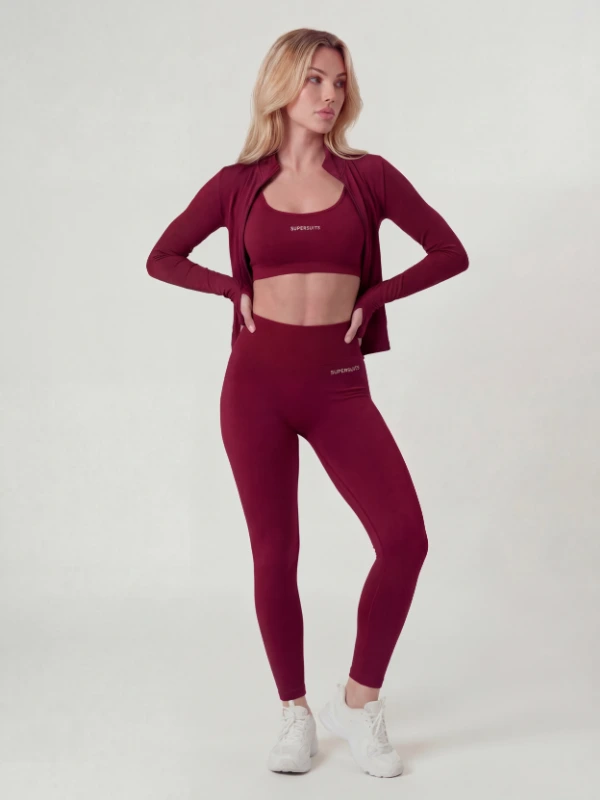
How to Choose Compression Wear for Gym and Street Style
Compression wear has moved from pure performance gear to street fashion staple. This guide covers fit, fabric, and design considerations for choosing compression apparel that works in both contexts.
Compression wear has evolved beyond its athletic roots. What was once functional gear for runners and weightlifters now appears in street style, casual outfits, and everyday wear. Brands are designing compression pieces that perform during training while looking appropriate outside the gym.
But choosing compression wear that works in both contexts requires understanding how fit, fabric, and design affect performance and appearance. This guide walks through the key factors to consider.
Understanding Compression Fit vs. Regular Fit
The first decision is how much compression you actually want.
True compression fit: These garments are designed to fit tightly against the skin, providing muscle support and improved blood circulation during exercise. They should feel snug but not restrictive. If you can pinch more than an inch of fabric away from your body, the fit may be too loose for true compression benefits.
Athletic fit: Slightly less tight than true compression, these garments still follow body contours but allow more movement. They suit gym wear and casual training.
Relaxed or oversized fit: Some compression-style apparel is designed to be worn loose, prioritising street style over performance benefits. These may feature compression fabric but in a cut that drapes rather than clings.
Consider your primary use. If you are wearing compression for training benefits, prioritise fit accuracy. If you want the aesthetic without the tightness, look for relaxed cuts made from compression-style fabrics.
Fabric Matters More Than You Think
Compression wear relies on specific fabric blends to provide stretch, recovery, and moisture management.
Key fabric characteristics:
Four-way stretch: Allows movement in all directions without deformation. This is essential for any garment that needs to follow body contours during activity.
Moisture-wicking: Pulls sweat away from the skin to the fabric surface where it can evaporate. Important for gym use.
Breathability: Allows air circulation to prevent overheating.
Recovery: The fabric should return to its original shape after stretching, not become baggy over time.
Common fabrics include polyester-spandex blends, nylon-spandex, and in premium options, Supima cotton blends with elastane. The specific blend affects how the garment feels against the skin and how well it maintains shape after repeated washing.
Sizing Accuracy Is Critical
Sizing inconsistencies are a common complaint in online activewear shopping. When you cannot try garments before buying, accurate measurements matter.
Before ordering:
Measure your chest, waist, and hip circumference.
Measure sleeve length and torso length if available.
Compare your measurements to the brand's specific size chart—not generic sizing.
Read customer reviews for feedback on whether items run small, large, or true to size.
Some brands offer fit suggestions based on height and weight. Others provide model measurements so you can compare body types. If a brand's size chart is vague or reviews consistently mention sizing issues, consider ordering multiple sizes or shopping elsewhere.
Design Considerations for Gym and Street
If you want compression wear that transitions from training to everyday wear, consider these design elements:
Graphics and prints: Bold designs, character-inspired graphics, and unique prints can make a compression piece feel more like streetwear than gym gear. Neutral colours or minimal branding may suit a more understated look.
Cut and length: Cropped cuts, oversized fits, and longer hem lengths can shift a garment's context. A standard compression shirt may look purely athletic; a cropped or oversized version might work for casual outfits.
Layering potential: Pieces that layer well—under jackets, over tanks, or with joggers—offer more versatility than those that only work in one context.
Common Mistakes When Buying Compression Wear
Choosing style over fit: A design you love will not serve you if the fit is wrong. Prioritise sizing accuracy first.
Ignoring care instructions: Compression fabrics can lose their stretch if washed incorrectly. High heat damages elastane. Follow care labels to extend garment life.
Assuming all compression is the same: Light compression, medium compression, and high compression serve different purposes. Match the compression level to your activity.
Overlooking return policies: If you are ordering online and unsure about sizing, check the return policy before purchasing. Some brands exclude sale items from returns.
Buying based on brand alone: Even reputable brands can have inconsistent sizing across product lines. Check specific product reviews.
Where to Find Compression Wear
Compression wear is available from specialised activewear brands, general sportswear retailers, and direct-to-consumer online stores. When shopping online, look for brands that provide detailed fabric information, accurate size charts, and clear return policies.
SuperSuits is one brand offering superhero-inspired compression wear and activewear. If you are comparing prices or looking for a SuperSuits Discount Code before purchasing, check the store's coupon page for current offers.
Conclusion
Choosing compression wear comes down to balancing performance needs with style preferences. Get the fit right, understand the fabric, and consider how you will actually use the garment. A well-chosen compression piece can serve you in the gym and on the street, provided it fits correctly and suits your intended activities.